The Quiet Reshuffle of the Private Rented Sector
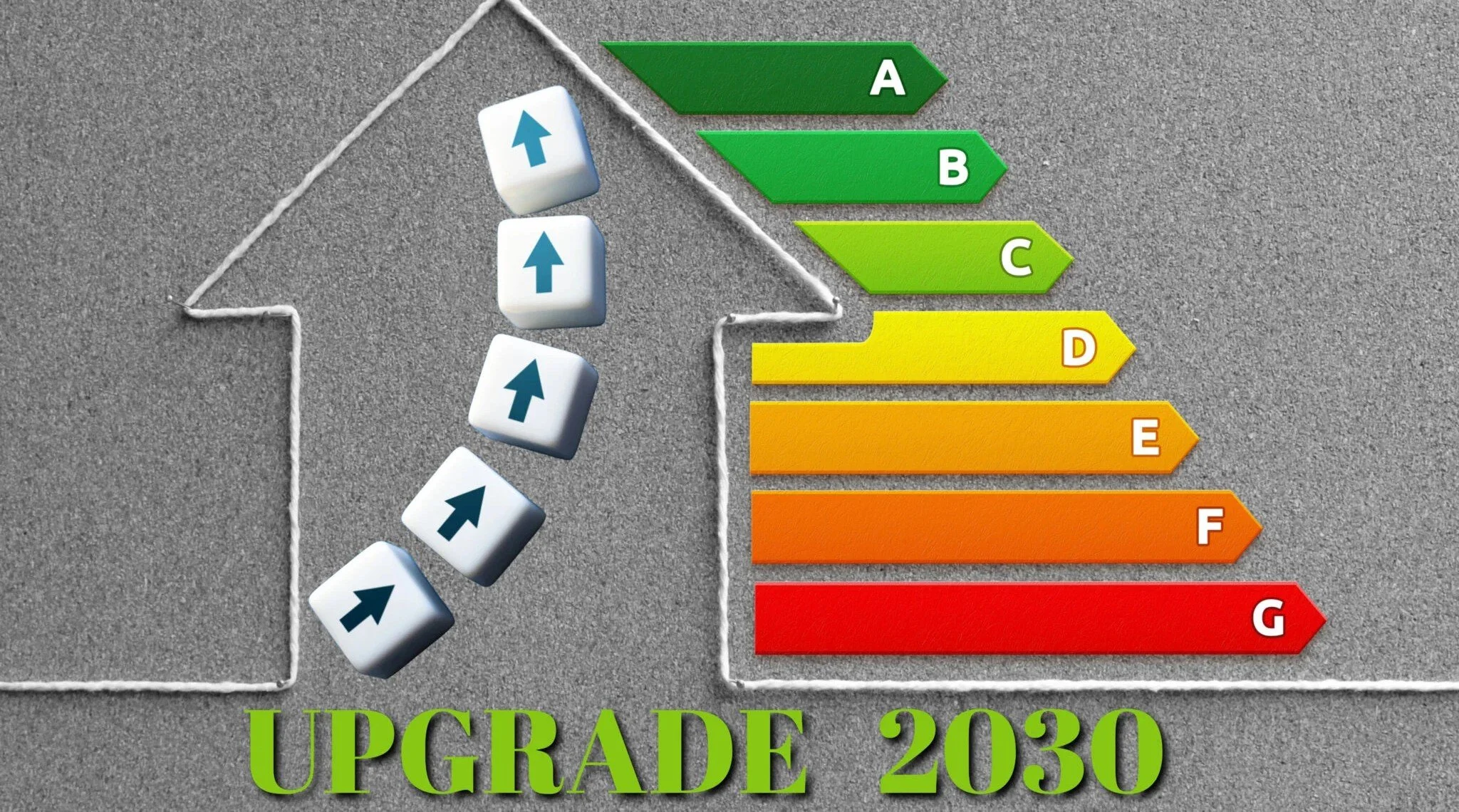
image from property 118
Why the new EPC and Decent Homes trajectory matters far more than people realise
If you take the government’s updated Decent Homes Standard and revised MEES direction at face value, and then run it forward using reasonable assumptions, you don’t get a gentle adjustment to the private rented sector.
You get a violent reshuffling.
Not an overnight collapse.
Not an apocalypse.
But a multi-year sorting mechanism that strands some stock, squeezes certain landlords out, reprices whole sub-markets, and quietly advantages those who create new, rental-grade dwellings over those trying to preserve legacy stock.
What follows is a sector-level model: Who gets squeezed, what becomes non-viable, how behaviour shifts, and why tenants ultimately sit downstream of all of it.
1. Why “four years” is genuinely short in housing
October 2030 sounds comfortably distant if you’re thinking politically.
It’s not distant at all in housing terms.
EPC and MEES compliance is not a cosmetic exercise. It involves:
material capex
design decisions
installer availability
tenant access and disruption
void planning
financing and re-valuation risk
Add to that a simple behavioural reality: Many landlords will not act until rules are final and enforcement feels real.
Now layer in the structure of the sector itself. A large proportion of the PRS is held by:
small landlords
one to three properties
limited balance sheets
limited appetite for repeated regulatory projects
So while the deadline is 2030, the market reaction starts much earlier.
A realistic mental model looks something like this:
2026–2027: denial / wait-and-see
2027–2028: cost discovery and early exits
2028–2029: scramble, installer bottlenecks, rising costs
2029–2030: forced decisions and accelerated disposals
By the time enforcement arrives, much of the repricing has already happened.
2. The key concept: “stranded stock”
The most important shift isn’t that the bar is being raised.
It’s that the bar itself is being rebuilt.
A fabric-first, energy-system-aware approach doesn’t just ask how efficient a home is — it asks whether it can realistically be upgraded to operate in a decarbonising system.
That creates a class of housing that is simply “hard to treat”, particularly:
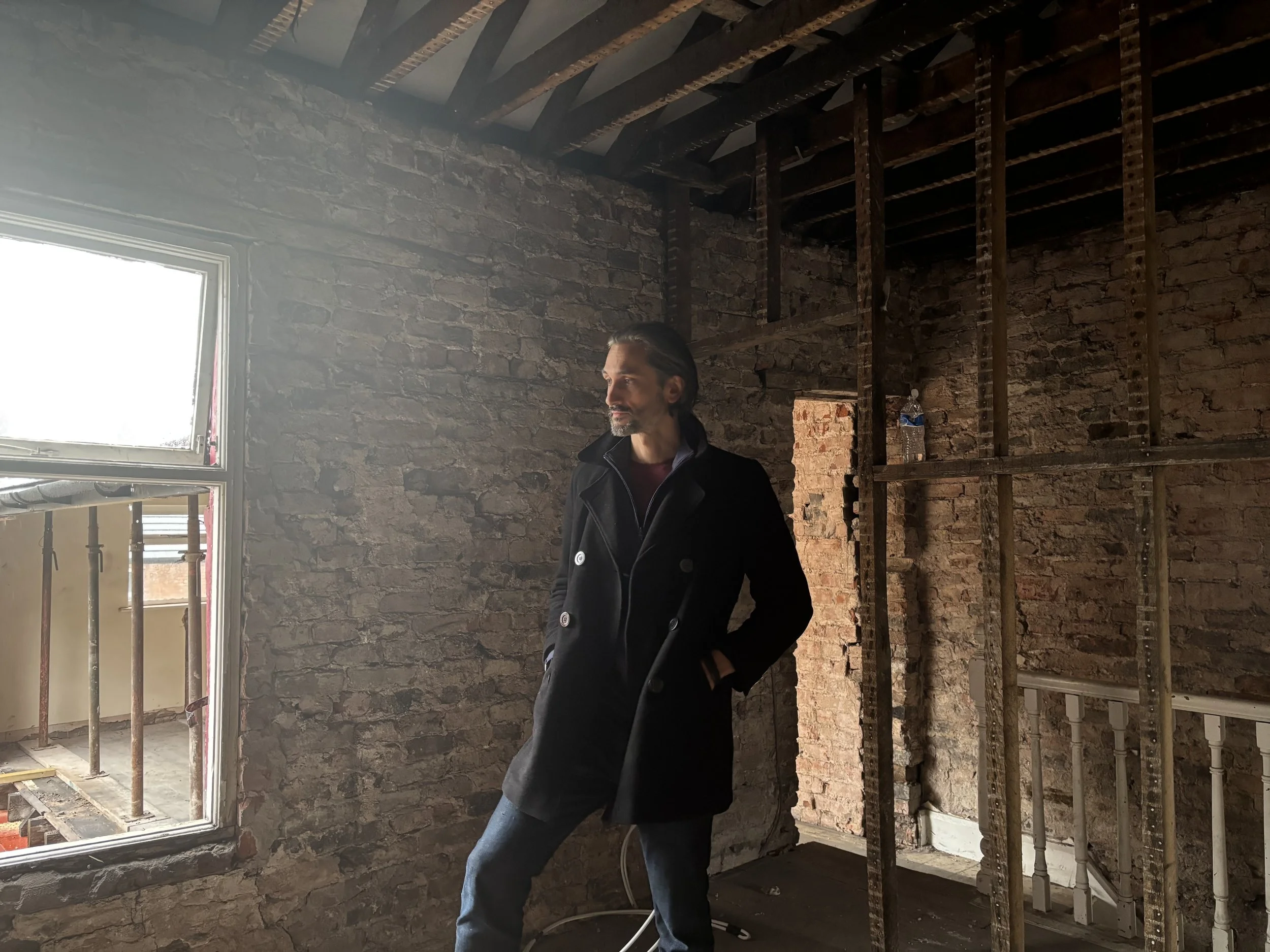
solid wall terraces
flats in blocks where landlords don’t control the envelope
conservation areas with planning constraints
electrically constrained properties
awkward layouts where heat distribution and ventilation upgrades are invasive
The result is a new category in the market:
Homes that are perfectly fine to live in.
Perfectly fine to sell to an owner-occupier.
But increasingly non-viable to rent.
Historically, owner-occupier viability and rental viability overlapped heavily.
This policy pulls them apart.
That’s a structural change.

3. How landlords are likely to behave (natural assumptions)
Assume the following, none of which are extreme:
A meaningful share of PRS stock requires more than light-touch upgrades
Installer capacity tightens as deadlines approach
Costs rise non-linearly
Many landlords are already fatigued by tax, regulation, and interest rates
From there, behaviour becomes fairly predictable.
A) Early exit by small landlords
Landlords with:
low yields
older stock
limited cash reserves
are unlikely to embark on multi-stage retrofit programmes.
They sell.
Often into the owner-occupier market.
That increases sales supply — but permanently reduces rental supply, because many of those homes don’t come back into the PRS.
B) Consolidation by “capex-capable” operators
Larger or more professional landlords — those with:
project management capability
access to finance
portfolio-level planning
will buy discounted stock and upgrade it.
The outcome isn’t fewer homes.
It’s fewer landlords, holding more homes.
C) Rent pressure intensifies, even if prices soften
This is the part policymakers often underestimate.
If rental supply falls faster than demand, rents rise.
And when compliance raises operating costs, landlords who remain in the sector price that risk in.
So you can quite plausibly see:
house prices stagnating or softening in some segments
rents rising at the same time
That combination is politically awkward — but economically coherent.
4. Near-term mechanics: repricing, not a cliff edge
This isn’t a sudden ban. It’s a sorting process with a deadline.
Expect widening spreads between:
Turnkey, compliant rentals (premium pricing, high liquidity)
“Needs upgrade” stock (discounted for capex, hassle, and risk)
Hard-to-treat / exemption-reliant stock (discounted further, regulatory overhang)
Owner-occupier-only stock (priced on different fundamentals entirely)
The closer we move toward 2030, the sharper those spreads become.
That’s not collapse.
It’s stratification.

5. What tenants experience (second-order effects)
Tenants don’t experience policy through consultation documents.
They experience it through availability, price, and choice.
If we assume a net reduction in PRS supply in certain areas, tenants feel it as:
fewer listings
higher rents
tighter affordability checks
more competition
increased churn when properties are sold or taken out for upgrade
Exemptions don’t create homes.
They just delay compliance.
So the policy improves quality for some tenants …while increasing access pressure for others.
That trade-off is rarely stated explicitly.
6. Why creators of new dwellings are structurally advantaged
This is the crucial asymmetry.
If you are creating dwellings, conversions, redevelopment, net-add supply, you can:
design to the new metrics from day one
integrate fabric, heating, and energy systems properly
avoid retrofit complexity
bake compliance into funding, valuation, and exit assumptions
That is a genuine strategic advantage.
And it’s also the missing half of the policy conversation.
Standards without supply don’t raise outcomes.
They ration access.
7. Likely winners and losers by 2030
A simplified sector map looks like this:
Group Small thin-margin landlords
Likely outcome Partial exit / sell-down
Group Large professional operators
Likely outcome Consolidate + upgrade + higher rents
Group Hard-to-treat legacy stock
Likely outcome Discounted + exempted + churn
Group Turnkey compliant rentals
Likely outcome Premium pricing + strong liquidity
Group Net-new dwelling creators
Likely outcome Structural tailwind + revaluation uplift
Group Lower-income tenants
Likely outcome Higher competition + affordability pressure
This isn’t ideological.
It’s mechanical.

8. The emergence of a “rental-grade” asset class
Quietly, this policy creates a new definition of quality:
Rental-grade housing
Homes that are compliant, efficient, electrification-ready, and future-proofed.
That matters because rental-grade assets are:
easier to finance
easier to insure
easier to value
and more institutionally attractive
Over time, expect:
lenders to price future compliance risk explicitly
valuers to apply “compliance haircuts” to legacy stock
portfolios to be assessed on upgrade readiness, not just yield
This is entrepreneurial housing infrastructure in practical terms.
Not ideology.
Not virtue signalling.
Just housing designed to function as modern infrastructure, rather than patched-up legacy shelter.
Final thought
If regulation makes legacy stock harder to operate, capital must move toward creating new supply.
If it doesn’t, tenants lose.
That’s the real tension in this debate, and it’s the part we should probably be talking about far more openly.

For a deeper exploration of these ideas
including frameworks like The Unicorn Model and Creator OS, get your copy of Property Unicorns and join the movement redefining what it means to build Britain’s future.