Are Landlords Parasites, or the Only Reason Millions Have Homes?
A critical examination of housing, power, and uncomfortable trade-offs
By Rob Stewart.
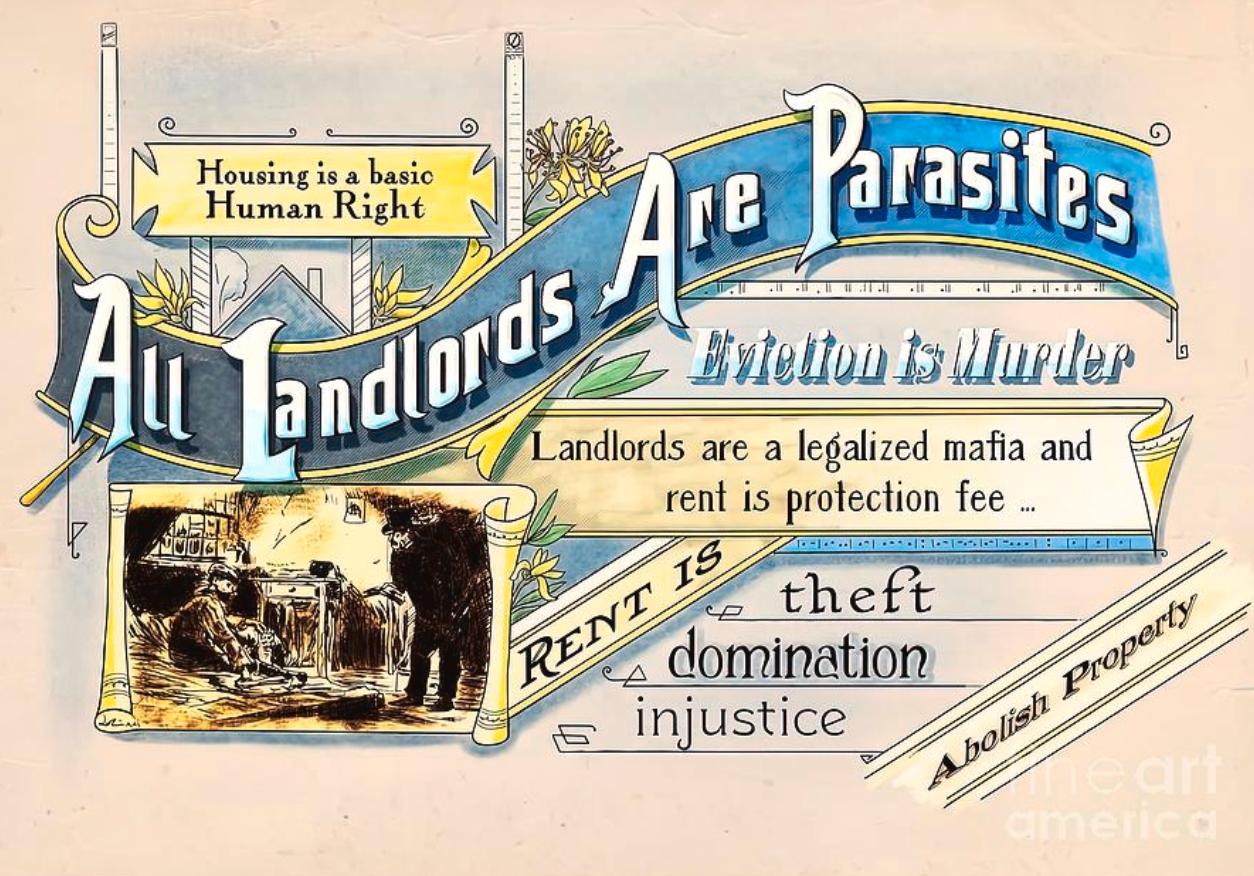
Few ideas travel faster online than the claim that landlords are parasites. It is a neat moral judgement, compact enough to fit on a placard or into a tweet, and expansive enough to absorb a wide range of social frustrations. Rising rents, insecure tenancies, visible inequality, and decades of housing failure all collapse into a single villain.
The problem is not that this critique exists. The problem is that it often stops at accusation.
I want to take the argument seriously, including its strongest counterclaims, because housing is too important to be reduced to slogans. If landlords truly are parasitic, then we should be able to explain not only why they are morally wrong, but how their removal would materially improve housing outcomes.
I have been investing in and operating residential property since 2010. Over that time, I have housed somewhere between 200 and 300 people across working families, vulnerable tenants, housing benefit recipients, professionals, and elderly tenants. This does not make me neutral. It does, however, mean I have seen how policy, economics, and human behaviour interact on the ground.
So let us begin with the most common counterarguments, presented fairly, and then examine where they hold and where they collapse.
Counterargument One: “Housing Is a Human Right, Therefore It Should Not Be a Commodity”
This is the moral cornerstone of the anti-landlord position. Housing, like healthcare or education, is framed as a basic human right. From this perspective, the existence of profit in housing is itself unethical.
I agree with the premise more than critics expect. Shelter matters. Stability matters. No one should be made homeless because of speculative excess or regulatory neglect.
But recognising housing as a human necessity does not answer the operational question of provision.
Food is also a human necessity. So is energy. So is transport. In each case, the state regulates, subsidises, and intervenes, but does not directly provide all supply. Markets exist not because society is cruel, but because scale, speed, and capital are required.
In the UK, the state made a long-term political decision not to build sufficient housing itself. Social housing stock has declined steadily since the 1980s through Right to Buy, underinvestment, and demographic pressure. That decision created a vacuum.
Private landlords did not force that vacuum into existence. They moved into it. Calling housing a human right does not magically generate units. It does not summon builders, materials, planning consent, or capital. Rights require infrastructure. Infrastructure requires funding, labour, and risk-bearing.
Until critics can explain how millions of homes will be built, maintained, and allocated in the absence of private capital, the moral claim remains incomplete.
Counterargument Two: “Landlords Drive Up Prices and Rents”
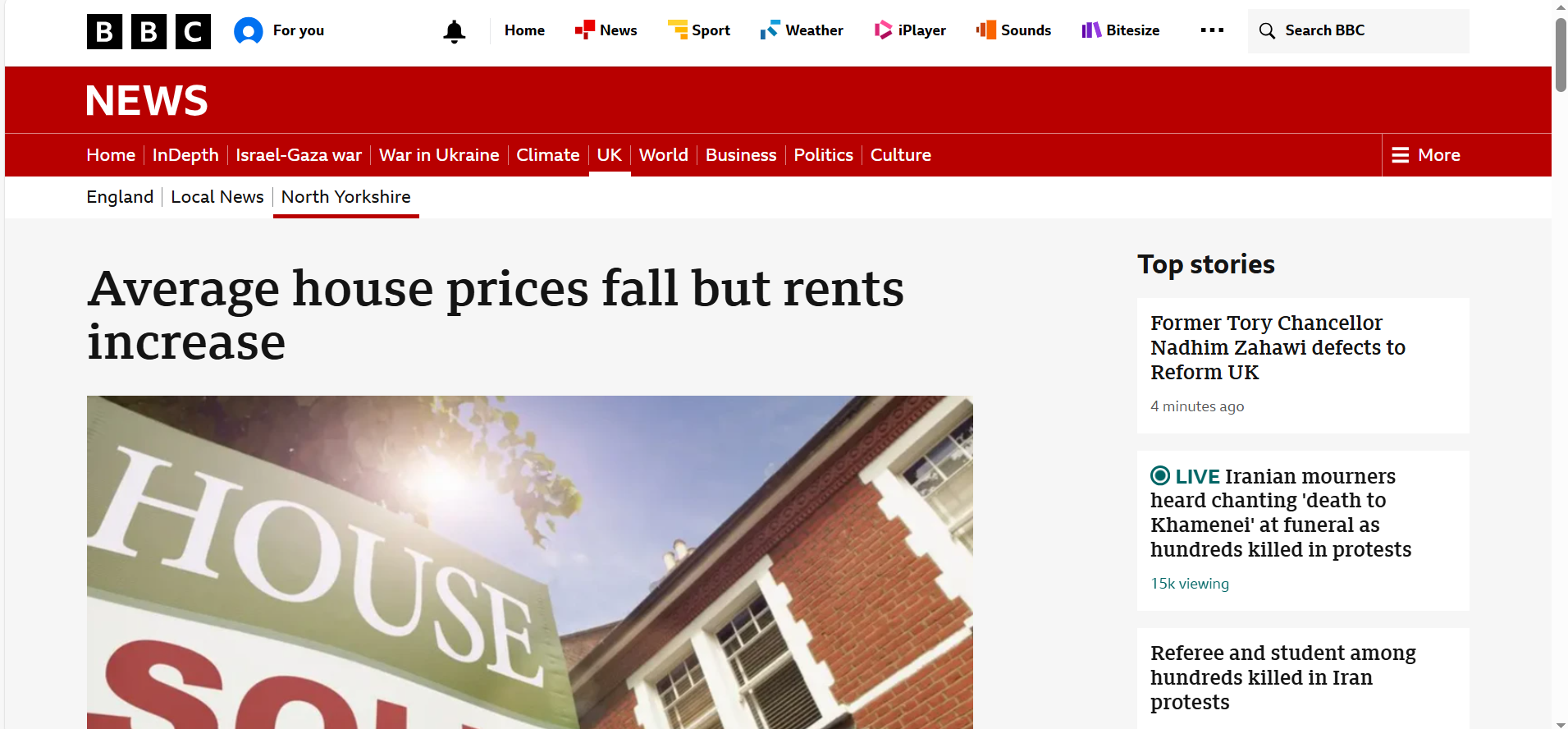
This argument is more empirical and deserves careful handling. The claim is that landlords outbid first-time buyers, restrict supply, and then charge increasingly unaffordable rents.
There is some truth here, but it is context-dependent.
In high-demand, low-supply areas, competition for housing is intense. Landlords are one set of actors within that competition. However, they are not the only ones. Developers, owner-occupiers, overseas buyers, institutional funds, and pension vehicles all play a role.
The deeper driver of price inflation is chronic undersupply. The UK has failed to build enough homes for decades. When demand consistently outstrips supply, prices rise regardless of who owns the stock.
Blaming landlords for high rents without addressing planning constraints, slow delivery, labour shortages, and infrastructure bottlenecks is like blaming shopkeepers for food prices during a famine.
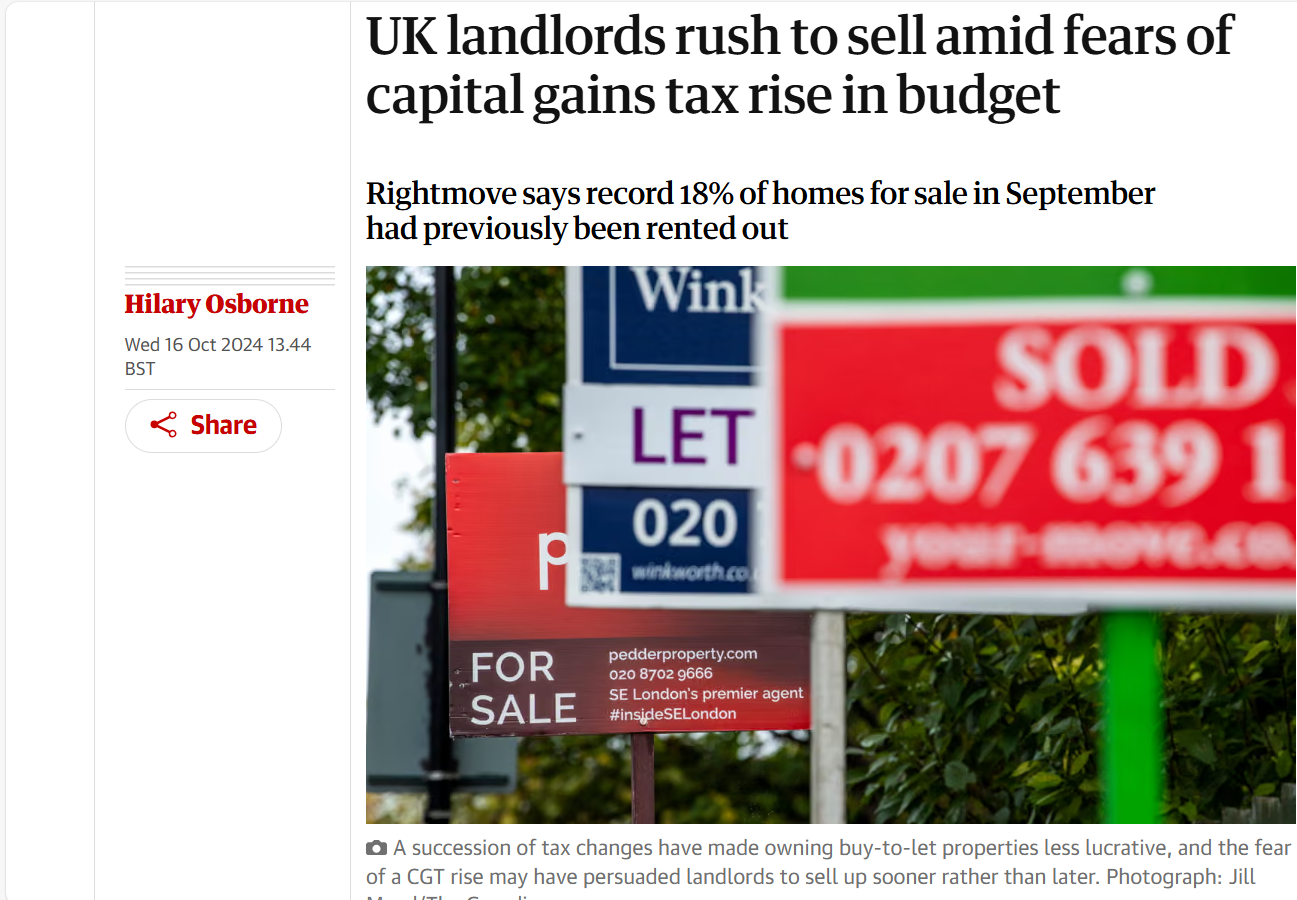
If landlords were the primary cause of rising rents, removing them would lower rents. In practice, when landlords exit markets, rents often rise faster due to reduced availability.
This is not ideology. It is observed behaviour.
Counterargument Three: “Landlords Add No Value and Extract Rent”
This is perhaps the most emotionally resonant claim. The landlord is framed as someone who does nothing productive, yet siphons income from tenants who work.
This caricature ignores both capital provision and ongoing operational risk.
Before a tenant moves in, a landlord typically commits tens of thousands of pounds in deposit, purchase costs, refurbishment, and compliance. That capital could have been deployed elsewhere. It is locked into a single illiquid asset.
Once the tenant is in place, the landlord carries responsibility for maintenance, safety compliance, financing risk, regulatory change, and tenant default. When things go wrong, losses are not capped.
As I write this, I am dealing with a flat that has been severely damaged by a family tenant. The deposit available to offset the damage is £550. The real cost exceeds £7,000, excluding lost rent, ongoing mortgage payments, and council tax.
This is not rare. It is routine.
The idea that landlords “add no value” assumes that housing would otherwise exist in the same form, at the same standard, without their involvement. That assumption is unproven.
Counterargument Four: “If Landlords Left, the State Would Step In”
This is the most consequential claim, and the one least supported by evidence.
Local authorities are already under severe financial pressure. Temporary accommodation costs councils billions each year. Social housing waiting lists are at record levels. Construction capacity is constrained by labour shortages and planning delays.
Even if the political will existed to massively expand state-built housing, it would take years, likely decades, to deliver at scale.
In the meantime, people still need somewhere to live.
When private rental supply contracts, the immediate outcomes are not mass rehousing by councils. They are overcrowding, family displacement, hotel use, and homelessness.
This is not a hypothetical scenario. It is already visible in areas where rental supply has tightened.
Counterargument Five: “Good Landlords Are the Exception”
Another common response is that while some landlords may behave ethically, they are outliers within a fundamentally exploitative system.
This argument collapses individual behaviour into structural critique. It assumes intent where constraint is often the driver.
Most landlords I know are not maximising profit. They are responding to rising costs, regulatory shifts, and financing pressures. Labour costs have risen sharply. Materials are more expensive. Tax treatment has worsened. Interest rates have changed the viability of marginal stock.
Legacy rents often lag far behind market rates. In one of my buildings, an elderly tenant has lived there since 1990. Market rent would be close to £900. I charge £550. Not because I am forced to, but because stability matters and displacement would be unjust.
This does not make me heroic. It makes me typical of long-term landlords who value continuity over churn.
Eviction, contrary to popular belief, is rarely a strategy. It is expensive, slow, and emotionally draining. It is usually a last resort after sustained arrears and failed engagement.
Counterargument Six: “Landlords Are Withholding Housing From Ownership”
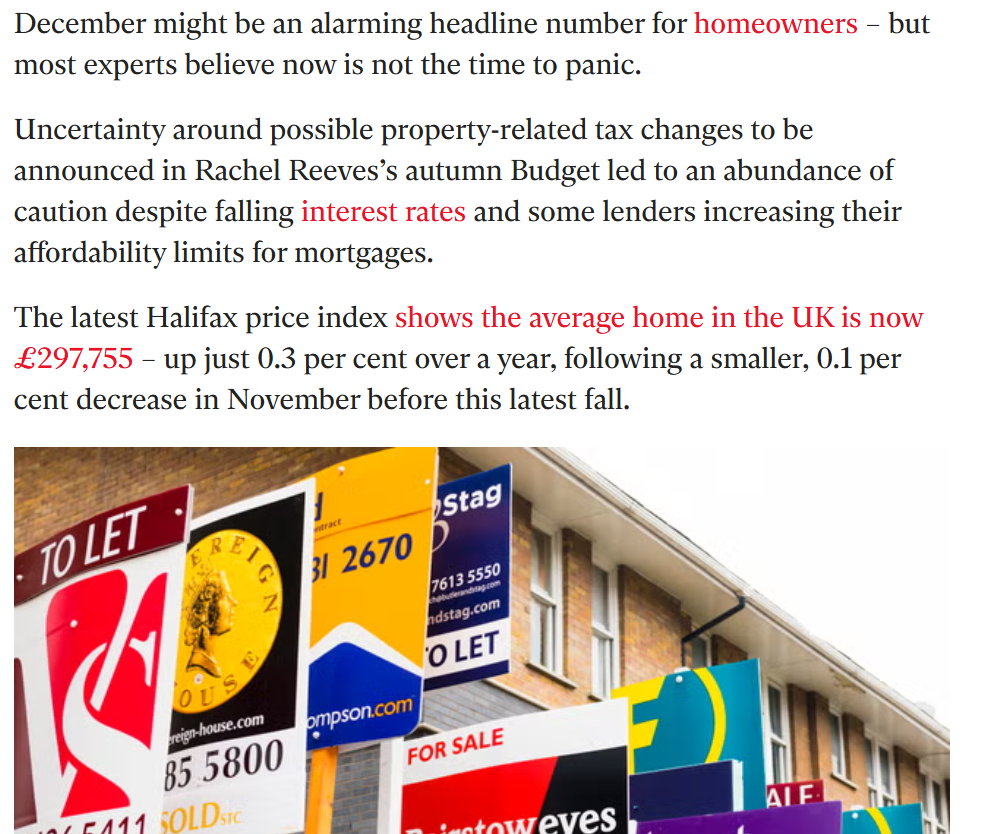
This argument claims that renters would all prefer to buy, and that landlords prevent this by hoarding stock.
The reality is more complex.
Not everyone wants to buy. Not everyone can. Short-term workers, mobile professionals, students, and people recovering from financial shocks often need flexibility, not a mortgage.
A functioning housing system requires a rental sector. The question is not whether renting should exist, but how it should be regulated and balanced.
Removing landlords does not automatically convert renters into homeowners. It often converts renters into more precarious renters.
The Structural Failure We Keep Avoiding
Many critiques of landlords are emotionally understandable because they are responding to real pain. Housing insecurity is destabilising. High rents limit life choices. Poor standards damage trust.
But misidentifying the cause leads to ineffective solutions.
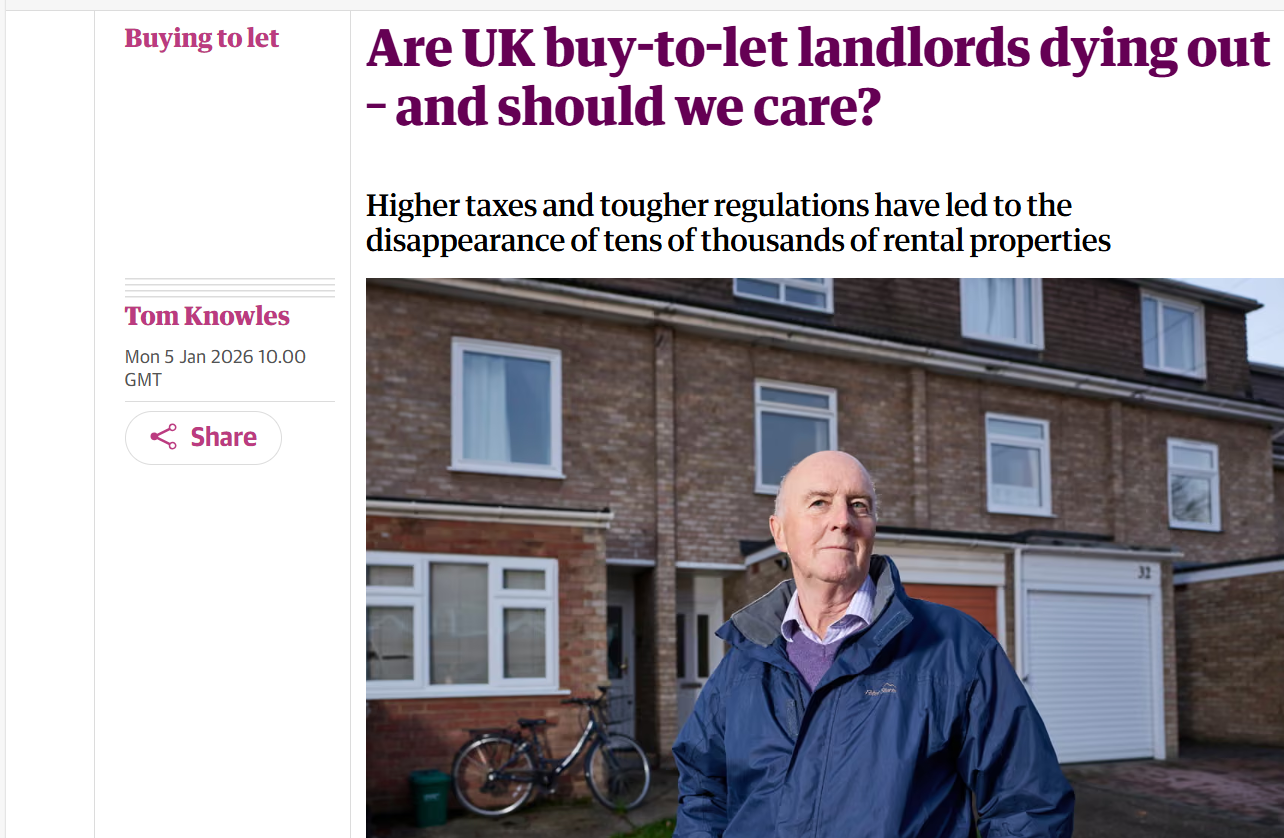
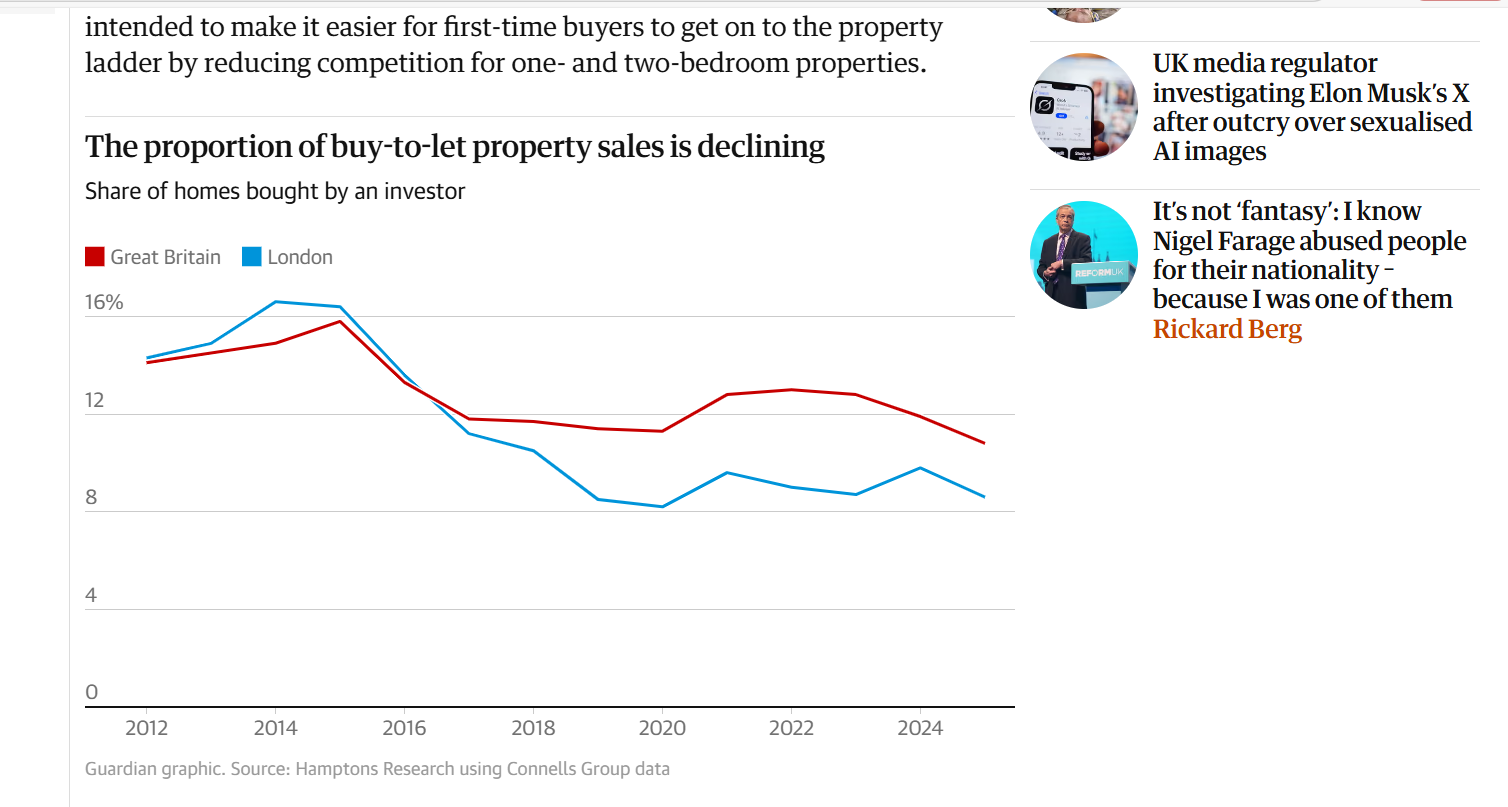
The core failure is not the existence of landlords. It is the persistent under-delivery of housing at every level, combined with policy that simultaneously relies on private provision and punishes it.
Housing has been turned into a moral battleground when it should be treated as infrastructure.
Infrastructure requires long-term thinking, mixed provision, and uncomfortable trade-offs. It requires acknowledging that no single actor, public or private, can carry the entire burden alone.
Where This Leaves Us
You can hate the system. I understand that impulse.
But removing landlords does not replace housing. It removes supply.
Until there is a credible, funded, and time-bound plan to build and maintain millions of additional homes, private landlords remain part of the scaffolding holding the system up. That does not mean the system should not change. It does mean change must engage with reality, not fantasy.
So I return to the question that critics rarely answer: If private landlords disappeared tomorrow, where would those people live?
Until that question is addressed honestly, calling landlords parasites may feel righteous, but it does nothing to solve the crisis it claims to oppose.
Sources and Further Reading
Ministry of Housing, Communities & Local Government (MHCLG), Live Tables on Housing Supply and Social Housing Stock
National Audit Office (2023), Local Authority Housing and Temporary Accommodation
Institute for Fiscal Studies, The Decline of Social Housing in England
Resolution Foundation, Housing Supply, Affordability and the Private Rented Sector
Shelter England, Social Housing Waiting Lists and Temporary Accommodation Statistics
Office for National Statistics (ONS), Housing Costs and Household Expenditure
Centre for Cities, Planning Constraints and Housing Delivery in the UK
Joseph Rowntree Foundation, Housing, Poverty and Inequality